Educational Transformation: Cultivating Literacy and Character at the Primary Level
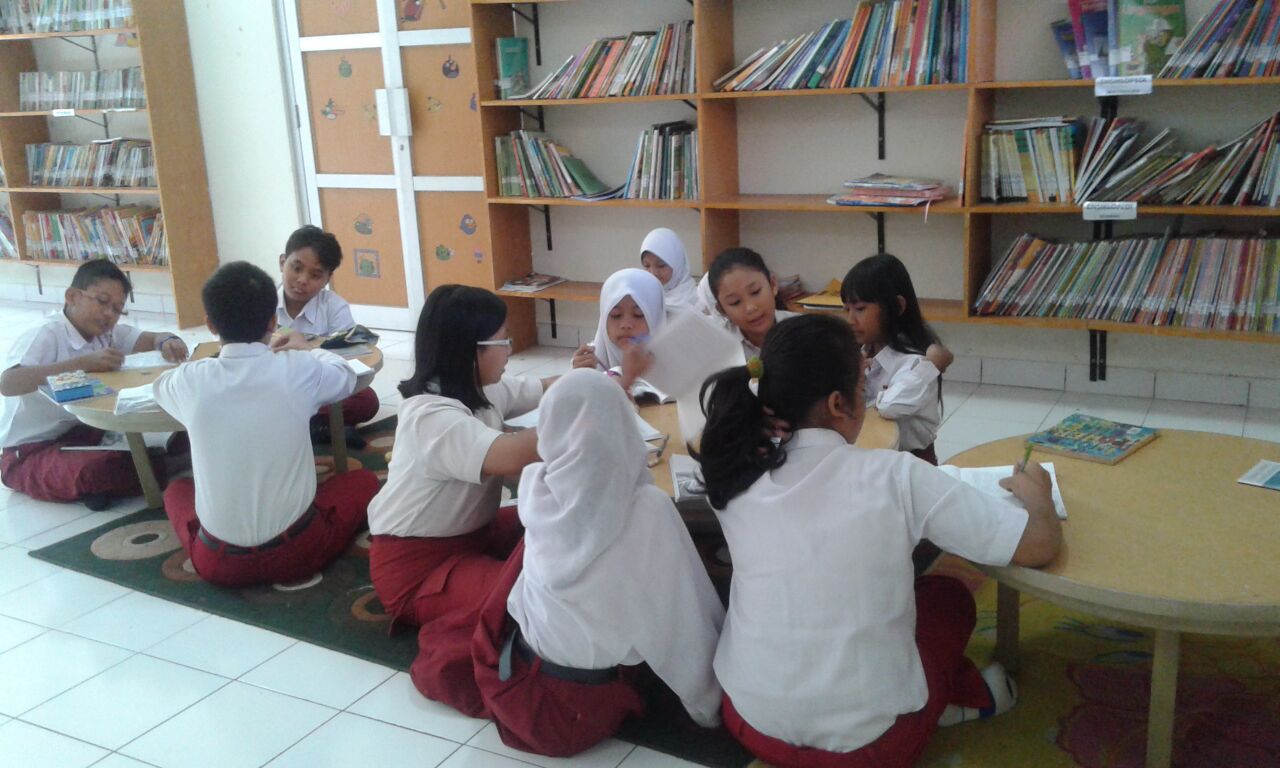
pgsd.fip.unesa.ac.id – Primary level education is currently the main focus in efforts to create a generation with high critical thinking skills and deep empathy. Learning is no longer centered only on memorizing material from textbooks but on developing applicable creativity. The primary focus is placed on strengthening literacy and numeracy as the basic foundation for every individual to understand the world around them. The quality of interaction between educators and students is the key to creating a learning atmosphere that is both fun and challenging. Every element in the learning ecosystem is expected to adapt to the technological advances that are developing very rapidly today. A holistic approach is applied to ensure the mental and physical health of students is maintained during the process of seeking knowledge. Through the right methods, the unique potential of every child can be optimally honed from an early age to face future challenges.
These quality improvement efforts focus on equalizing access to information and adequate supporting facilities for all levels of society without exception. A flexible curriculum allows each region to adapt teaching materials to local wisdom and the specific needs of their living environment. This is important to ensure that every child gets the same opportunity to thrive despite having different social backgrounds. The use of interactive teaching aids has proven capable of increasing reading interest and a great sense of curiosity in children. In addition to cognitive aspects, the cultivation of moral values and ethics is also a main pillar inserted into every daily activity. An inclusive environment is created so that diversity is seen as a wealth rather than an obstacle in socializing among peers. Awareness of the importance of maintaining environmental cleanliness is also taught through consistent direct practice in the learning area. Gradually, this educational pattern is expected to break the chain of ignorance and build a smarter and more civilized society.
The active involvement of the family environment greatly determines the success of a child's transition in understanding more complex and diverse life concepts. Parents are expected to be patient companions in directing the interests and talents that begin to emerge in the child. Open communication between the home and the learning place creates a strong synergy in monitoring the development of daily behavior as a whole. Stable emotional support provides a sense of security for children to explore and not be afraid of making mistakes in the learning process. Various digital literacy programs are being introduced so that children are able to sort out useful information amidst the massive current of digitalization. Foreign language mastery is also being provided lightly to broaden the horizon of thinking within a wider global scope. Time discipline and responsibility for small tasks become the initial training in forming a tough individual independence. The success of this system will be visible when the child is able to solve simple problems in daily life with the right logic.
The implementation of high-quality standards in this learning process is closely related to global goals in creating equitable welfare in the future. Quality education is the main bridge to reducing poverty rates and increasing the standard of living of the community in the long term and sustainably. By having sufficient knowledge, the younger generation will be better prepared to face job competition that is increasingly tight and dynamic. Furthermore, understanding of sanitation and health taught from an early age will have an impact on reducing disease rates in society. Awareness of human rights and equality is also an inseparable part of the material conveyed implicitly in social interaction. Protection of terrestrial and aquatic ecosystems is also introduced so that children have a concern for the preservation of nature around them. All these steps are a major investment whose results may only be seen clearly in the next one or two decades. A strong education is the key for a nation to stand tall in the midst of world affairs full of uncertainty.
This educational news is highly relevant to the SDGs (Sustainable Development Goals) targets, specifically SDG 4: Quality Education. This goal emphasizes the importance of ensuring inclusive and equitable quality education and promoting lifelong learning opportunities for all. Through strengthening primary education, society indirectly supports the achievement of other goals such as reduced inequality and economic growth. The emphasis on literacy and character ensures that sustainable development goals are not just slogans but real practices starting from the school bench. Every sentence in the teaching process is designed to form humans who care about issues of humanity and world peace. Cooperation of all parties is needed to maintain the sustainability of a system that sides with the future of this next generation. With the right education, global challenges such as climate change and food crises can be overcome through innovation born from brilliant thinking. Let us continue to support every small step that brings big changes to the quality of human life through the primary education path.
Writer: Mutia Syafa Yunita
Photo: Google
