Innovating Through Projects: Transforming Basic Literacy via Active Creativity
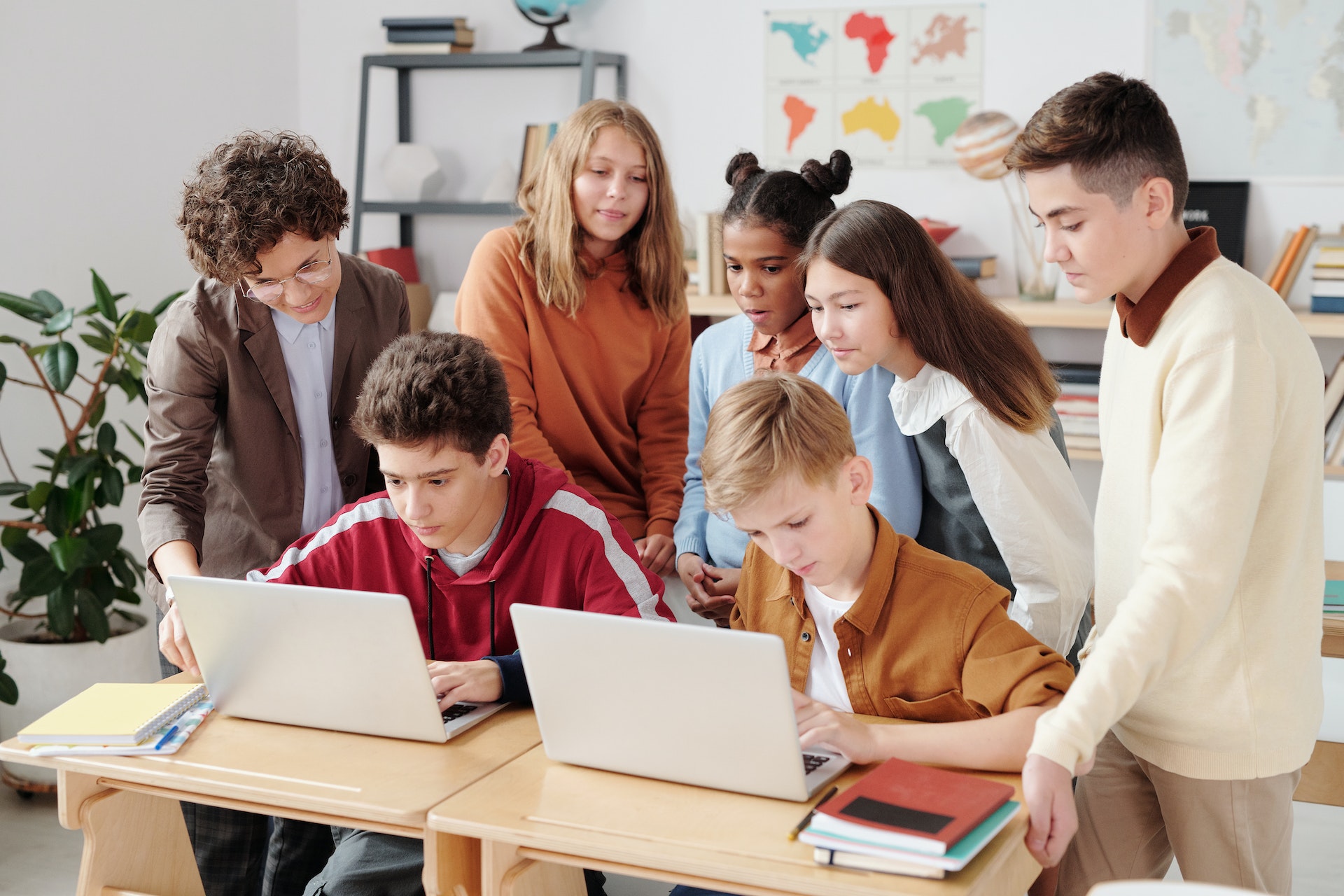
pgsd.fip.unesa.ac.id The implementation of project-based learning methods has now become a leading strategy in strengthening basic literacy skills for children at the early education level. This approach directs students to get directly involved in solving real problems existing in their surrounding environment. Through working on projects, children do not just learn to read or write, but also understand the meaning behind every piece of information. Critical thinking skills are naturally honed as they arrange work stages to achieve the desired final result. Teamwork becomes an essential element that trains the interpersonal intelligence of each individual within the learning group. Learning motivation increases significantly because students feel full responsibility for the work they produce. Boundless creativity allows for the emergence of unique solutions from a child's pure perspective in facing various challenges. Overall, this method provides a meaningful learning experience that is not easily forgotten by the students involved.
The process of integrating literacy into projects is carried out by combining various disciplines into one large relevant theme. Students are invited to conduct observations, record findings, and present their work in front of their peers. This recording activity automatically trains linguistic abilities as well as the mastery of new vocabulary in a very practical context. Additionally, numeracy aspects are also tucked in when they have to calculate material needs or the duration of project implementation. Each stage is designed to build the child's independence so they do not always depend on direct instructions from a mentor. The use of varied learning media helps children with different learning styles to remain actively participating. Self-confidence grows slowly along with their success in completing small challenges within the project. Learning becomes a very enjoyable and dynamic intellectual adventure for every child involved in it.
A conducive learning environment strongly supports the success of this method in producing a literate and resilient generation. Effective communication between mentors and students becomes the main bridge in aligning the learning objectives to be achieved. The feedback provided is constructive so that children feel valued even if the process carried out is not yet fully perfect. Assessment is no longer fixed only on the final result in the form of a product, but on the entire process of character development. Children learn that failure in an experiment is part of the process toward a greater success. Digital literacy is also starting to be introduced wisely as a supporting tool in searching for references for their projects. The link between subject matter and daily life makes the knowledge gained more functional and applicable. Thus, literacy is no longer just a technical skill, but a tool to understand and change the world for the better.
This news is closely related to the SDGs (Sustainable Development Goals) targets, specifically SDG 4: Quality Education. The main focus of this point is to ensure that all children receive inclusive, equitable, and quality education through innovative methods. Furthermore, developing practical skills through projects also supports SDG 9: Industry, Innovation, and Infrastructure in terms of building innovative human resources. Strong literacy is the basic foundation for achieving all sustainable development targets in the future. A literate society will find it easier to adapt to changing times and contribute to stable economic growth. Education that prioritizes creativity will produce a competent workforce capable of creating new job opportunities. Therefore, investment in project-based learning methods is a strategic step for the sustainability of a civilization. High human quality begins with the right way of learning and humanizing every existing potential.
Consistent application of this method is expected to create new standards in the quality of primary education in the future. Periodic evaluations are still needed to ensure that each project remains focused on developing the core competencies of the students. Collaboration between various parties in the learning environment will enrich the perspectives and resources that children can use. The spirit to continue learning and exploring must be maintained so that children do not feel quickly satisfied with their achievements. Solid basic literacy will be the main capital for children to step into higher levels of education. Every individual has the same opportunity to shine through the creative works they produce themselves. A bright future can only be achieved through an educational system that is adaptive to the needs and developments of the era. Let us continue to support this transformation of learning patterns for the birth of a golden generation that is intelligent and strong-willed.
Writer: Mutia Syafa Yunita
Photo: Google
